Hydro-Excavation & Hydro-Vac
The smarter way to break ground. Non-destructive excavation that exposes buried utilities, protects crews, and keeps Texas projects moving.


The smarter way to break ground. Non-destructive excavation that exposes buried utilities, protects crews, and keeps Texas projects moving.
 Non-Destructive ExcavationUtility PotholingSlot Trenching & DaylightingServing Texas Job Sites
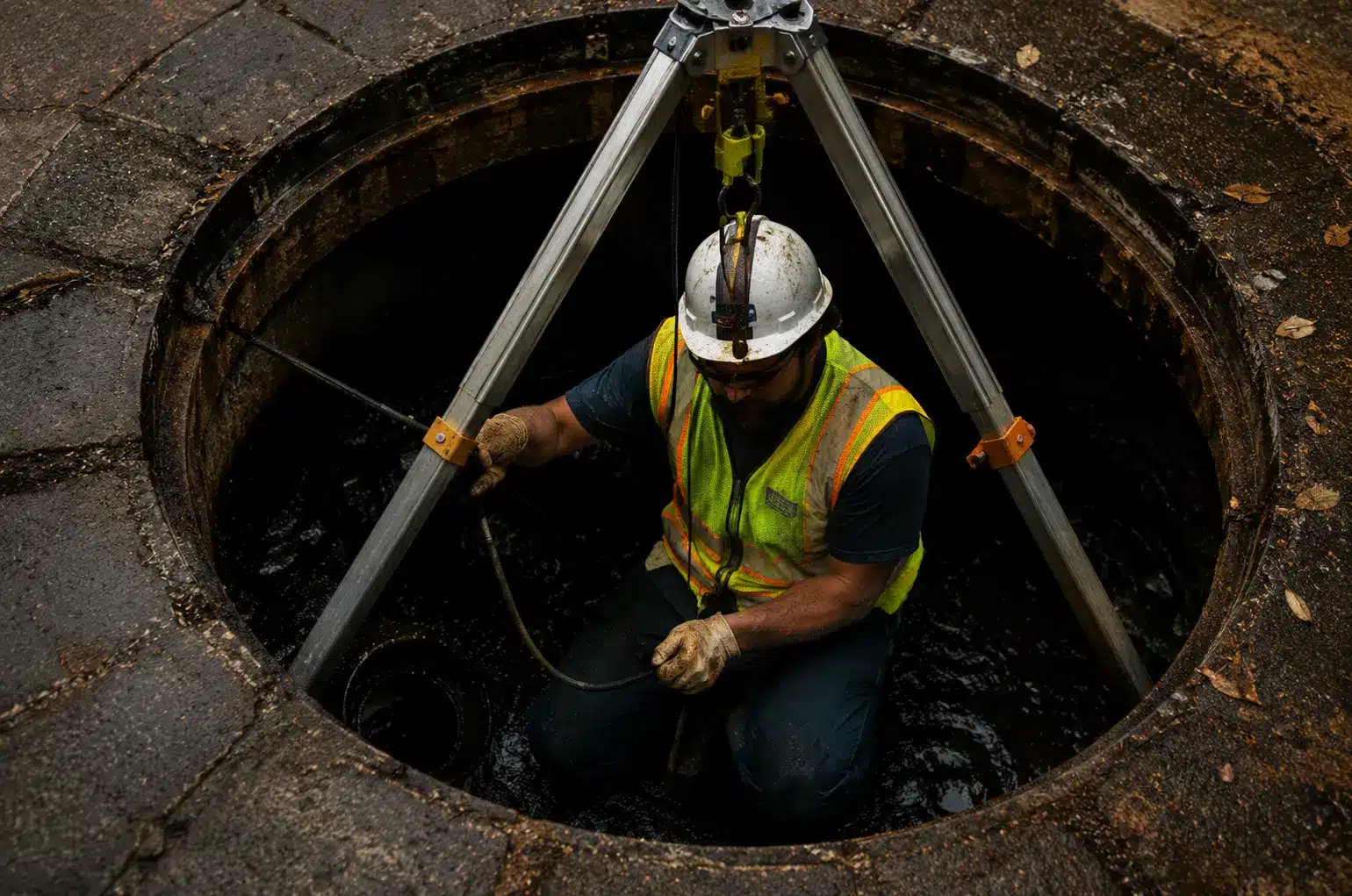
Somewhere beneath every job site sits a network of buried utilities that a backhoe cannot tell apart from ordinary dirt. One wrong scoop into a fiber line or pressurized gas main can halt a project, trigger an expensive repair, and put the entire crew at risk.
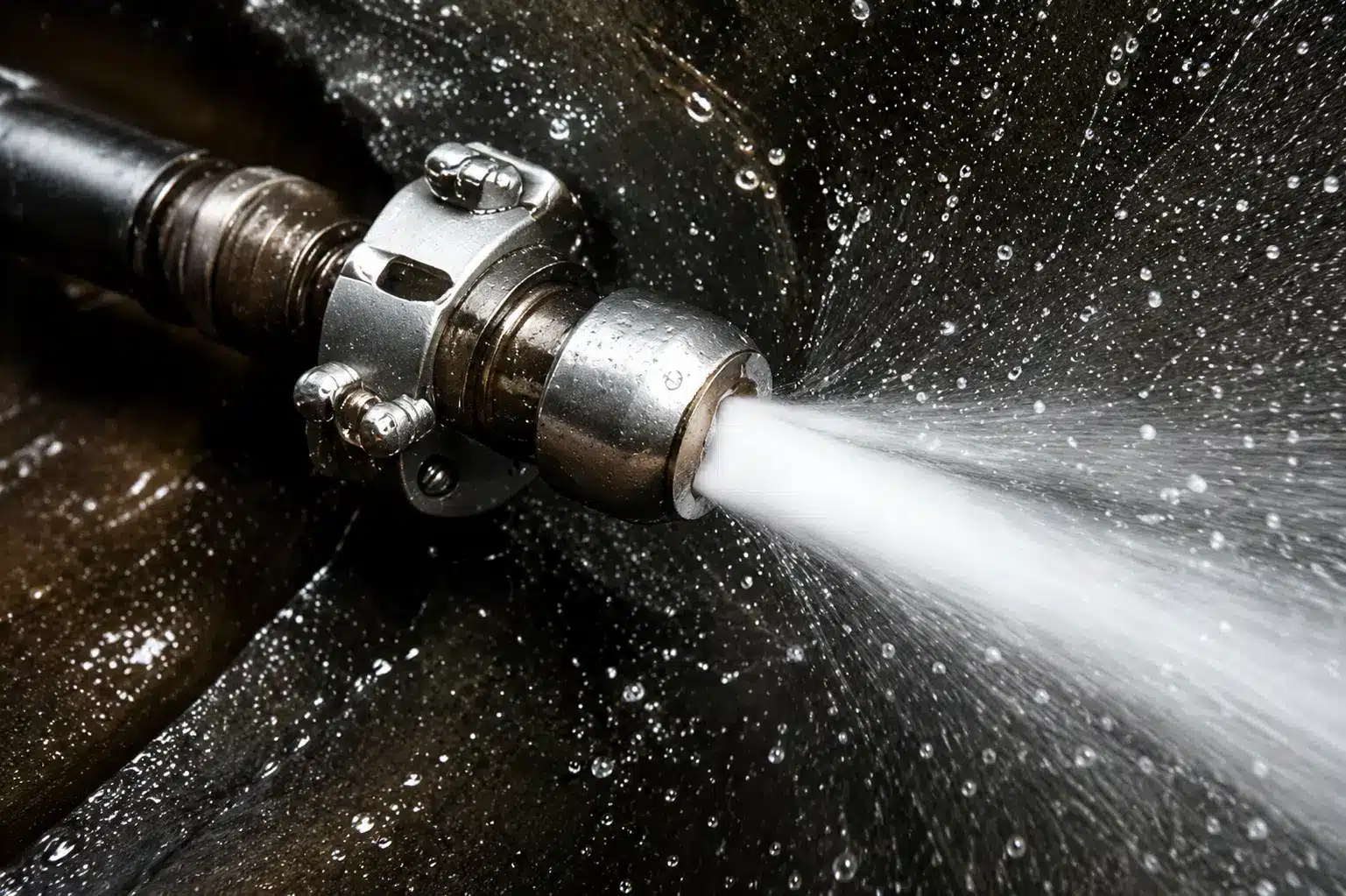
Hydro excavation removes that risk by pairing pressurized water with industrial vacuum power, breaking up soil without ever putting a blade or bucket near what is buried underneath.
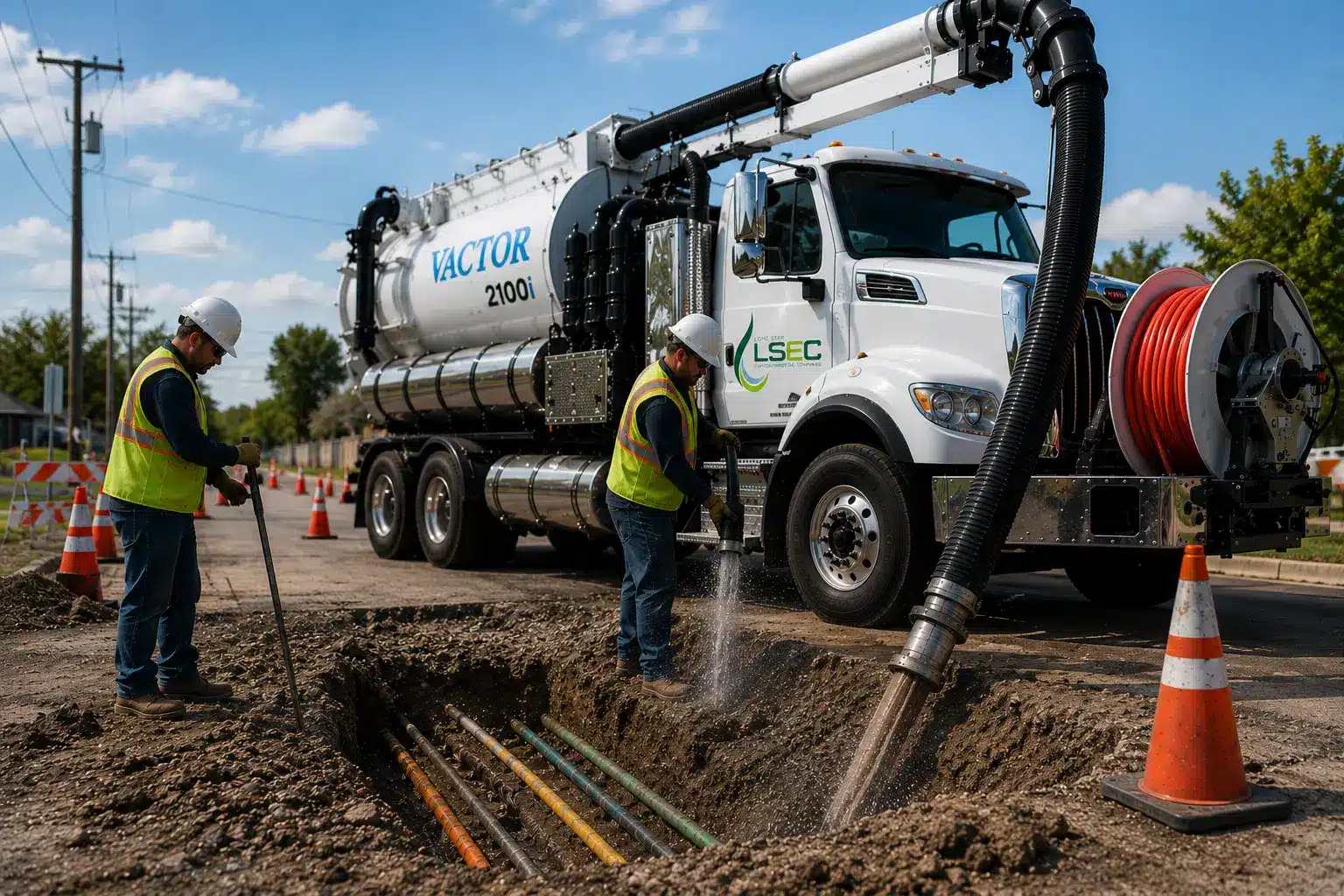
Choosing hydro excavation over conventional digging changes the risk profile of a project before the first utility is ever exposed.
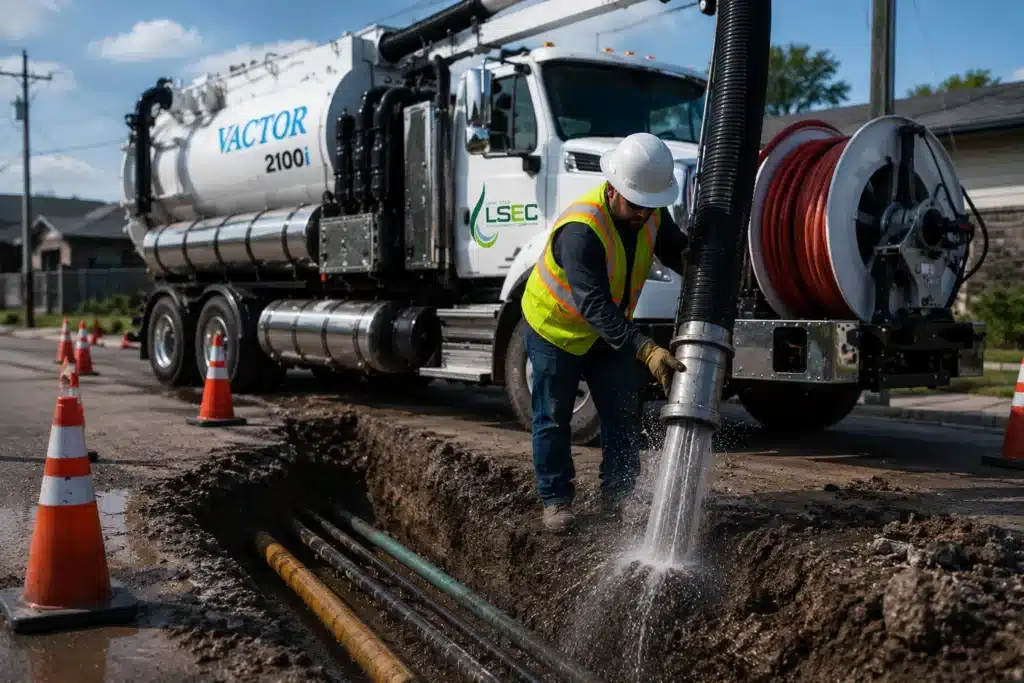
Expose gas lines, fiber cables, and water mains without mechanical contact.
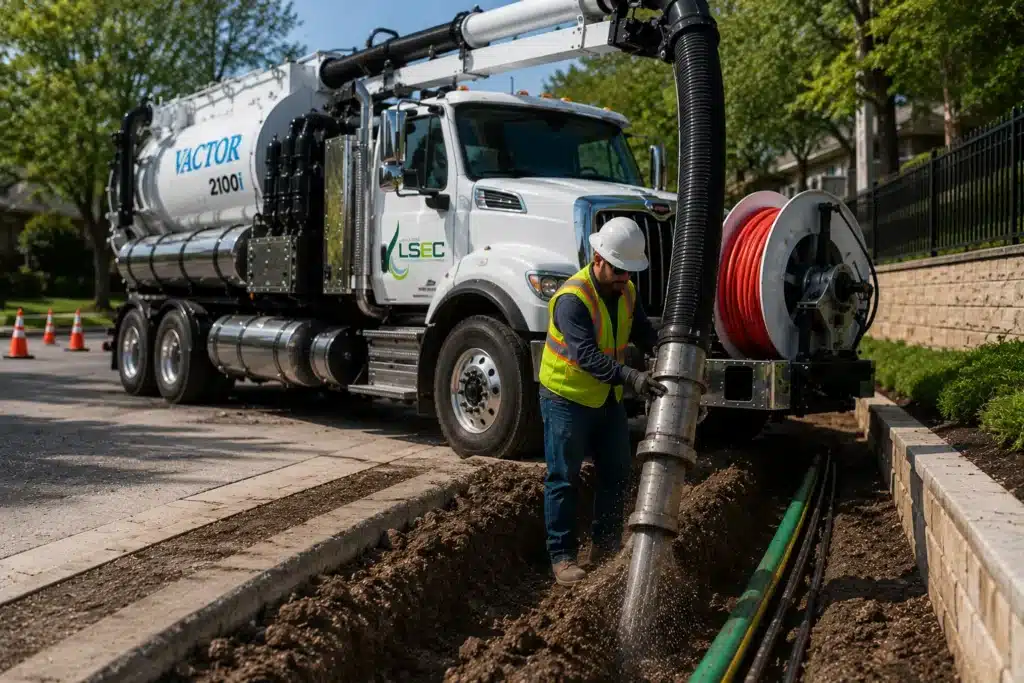
Preserve surrounding soil structure and nearby assets in tight corridors.
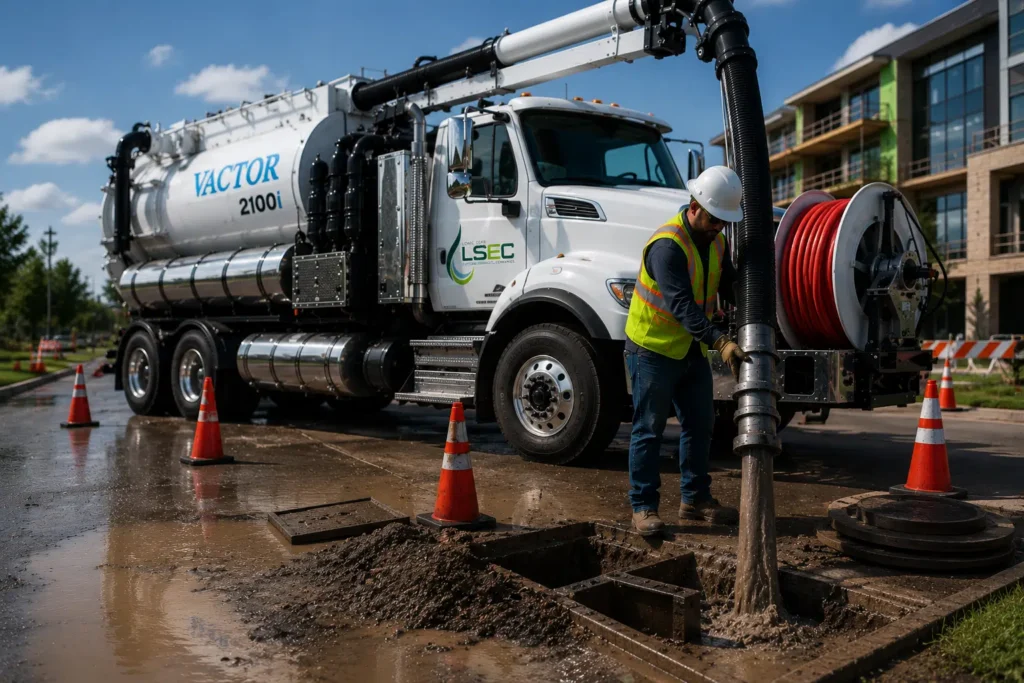
Contain slurry in the debris tank instead of piling spoil across the work area.
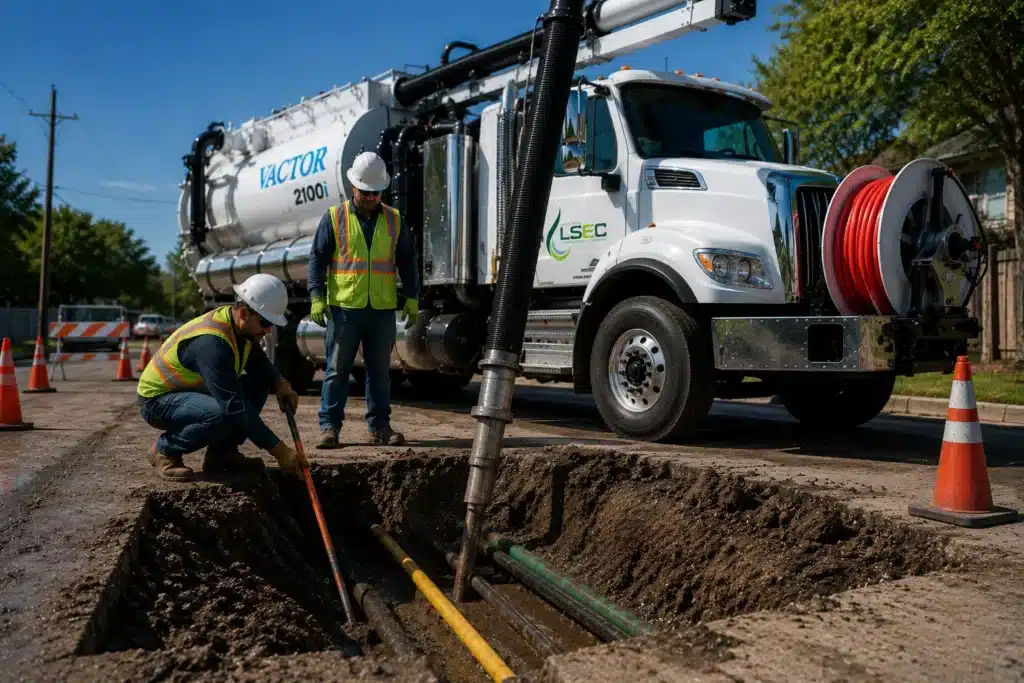
Expose buried lines gradually and visually before major excavation begins.
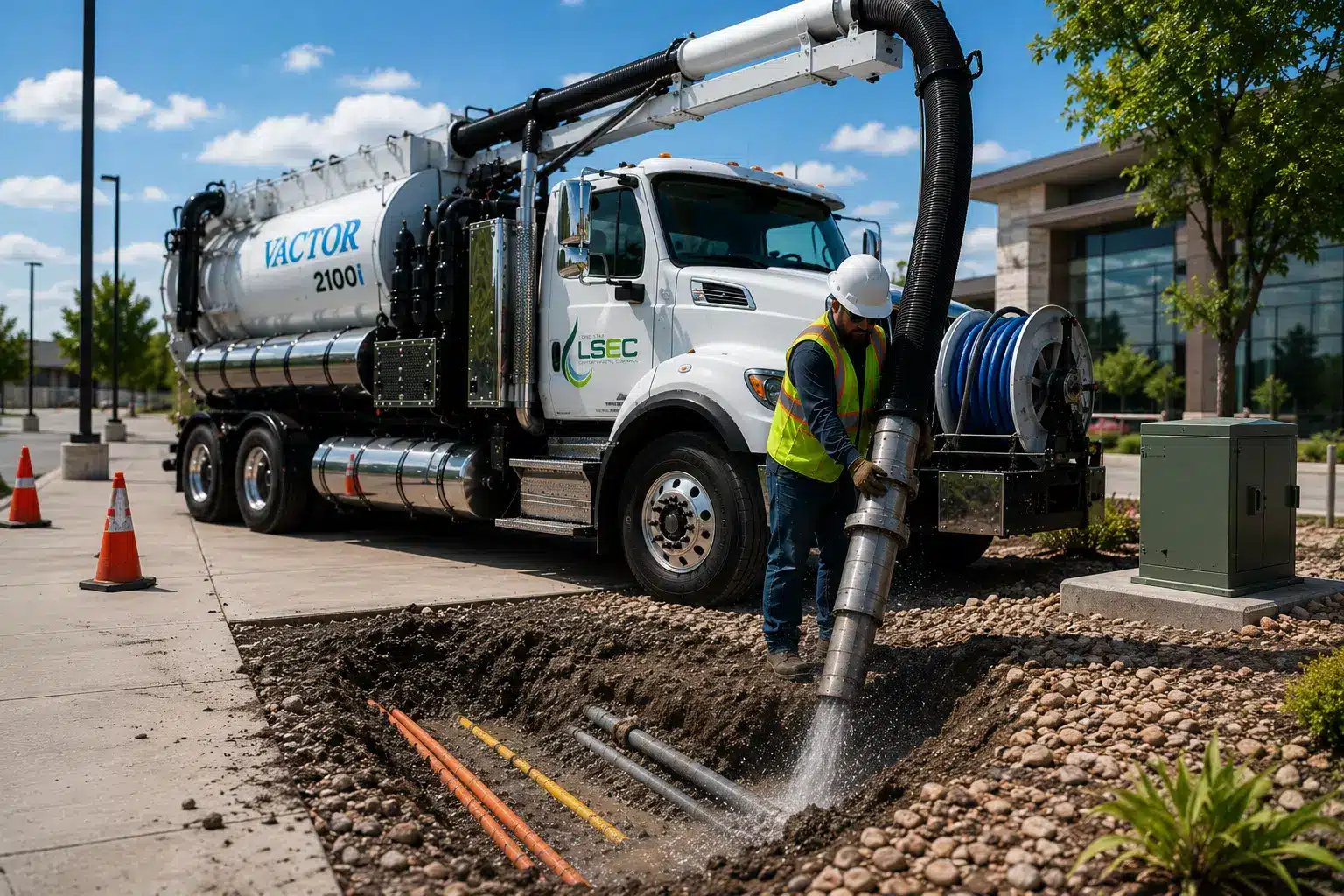
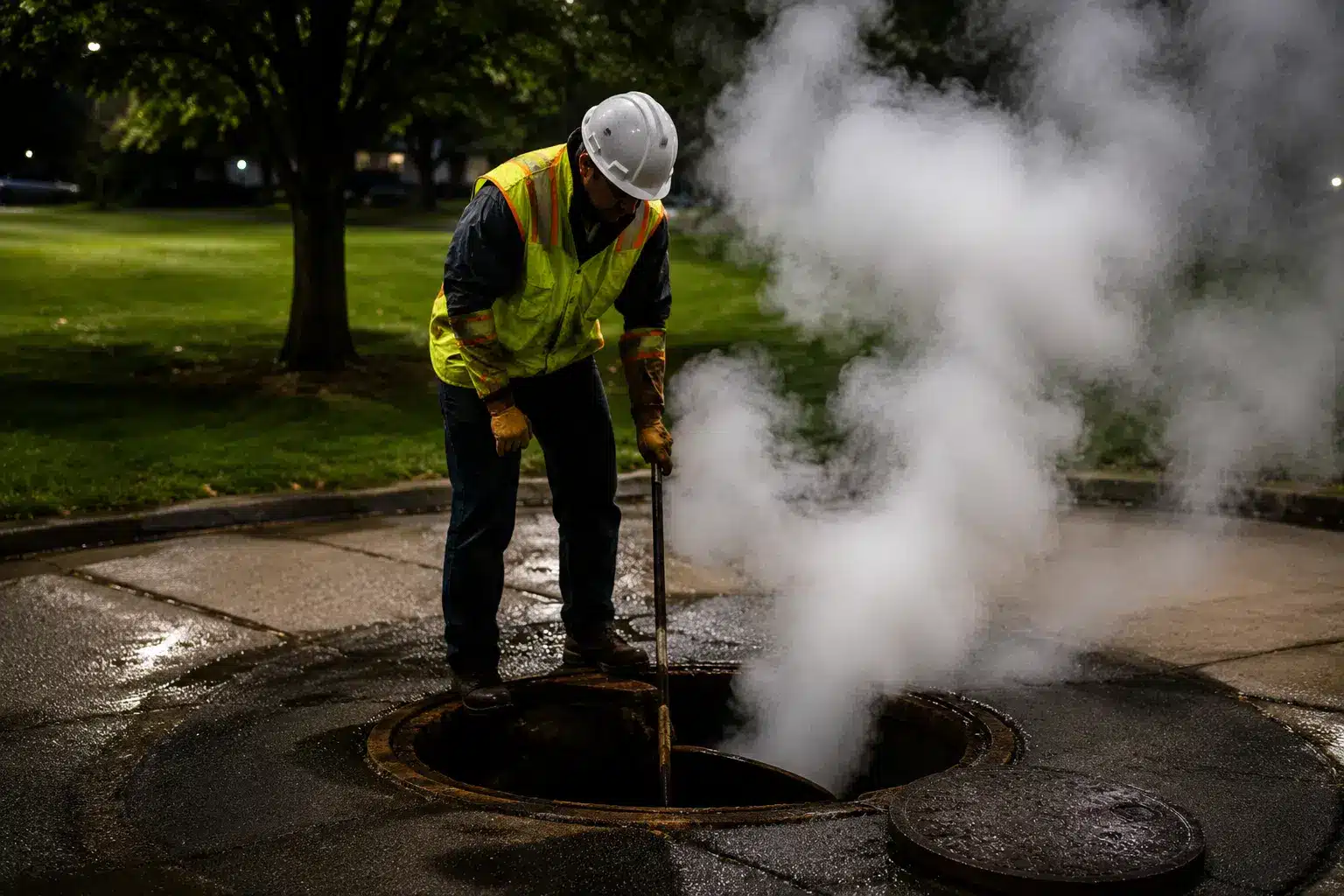
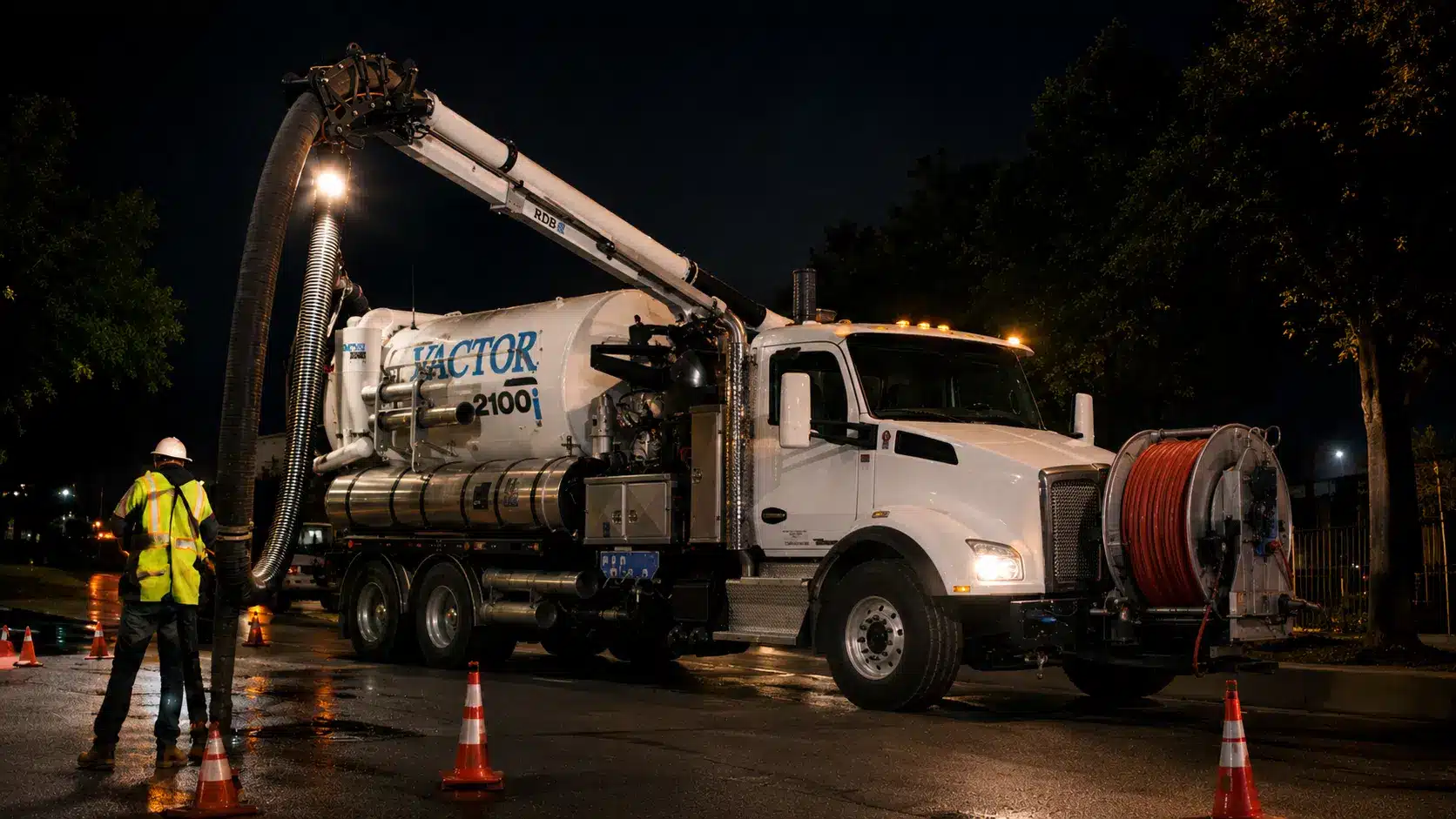
Hydro excavation directs a high-pressure stream of water into the soil, breaking it apart into a slurry that gets pulled away by a powerful vacuum system and stored in a debris tank for disposal.
There is no blade biting into the earth and no bucket guessing where a line might be. Operators expose underground utilities gradually and visually, confirming exact locations before major excavation begins.
Mechanical excavation relies on records, markings, and assumptions. A severed utility line can shut down service across a neighborhood in minutes, while a damaged gas line can force the evacuation of an active job site.
Hydro-vac work gives crews verified information about what is underground instead of estimates pulled from maps alone. Every pass is deliberate. Every depth is measured. Every cut happens with a clearer picture of what lies beneath.
The vacuum system keeps the site cleaner from the moment the truck arrives until the last load is hauled away. Once a utility is exposed or a target depth is reached, the area is ready for the next phase of work.
That means less spoil management, less disruption, and a cleaner handoff for contractors, engineers, utility crews, and project owners.
From major metros to rural communities, LSEC delivers the infrastructure solutions Texas depends on.
Hydro excavation uses pressurized water to break apart soil and a vacuum system to remove the resulting slurry into a debris tank.
Yes. Hydro excavation reduces the risk of striking buried utilities because operators expose lines gradually and visually instead of using a blade or bucket.
Utility potholing is the process of exposing a small area around a buried utility to confirm its exact location, depth, and condition before additional work begins.
Hydro-vac is ideal for congested utility corridors, sensitive sites, daylighting, slot trenching, utility locates, and projects where conventional digging creates unnecessary risk.
Yes. The vacuum system stores material in a debris tank so the site stays cleaner and the material can be transported for proper disposal.
Whether you are locating utilities ahead of a major build or need a non-destructive method for a sensitive site, LSEC is ready to help.
We are committed to protecting our people, our clients, and the communities we serve through a culture of safety, training, and accountability.
(281) 123-4567
info@lsectx.com
Houston, Texas
© 2026 Lone Star Environmental Companies