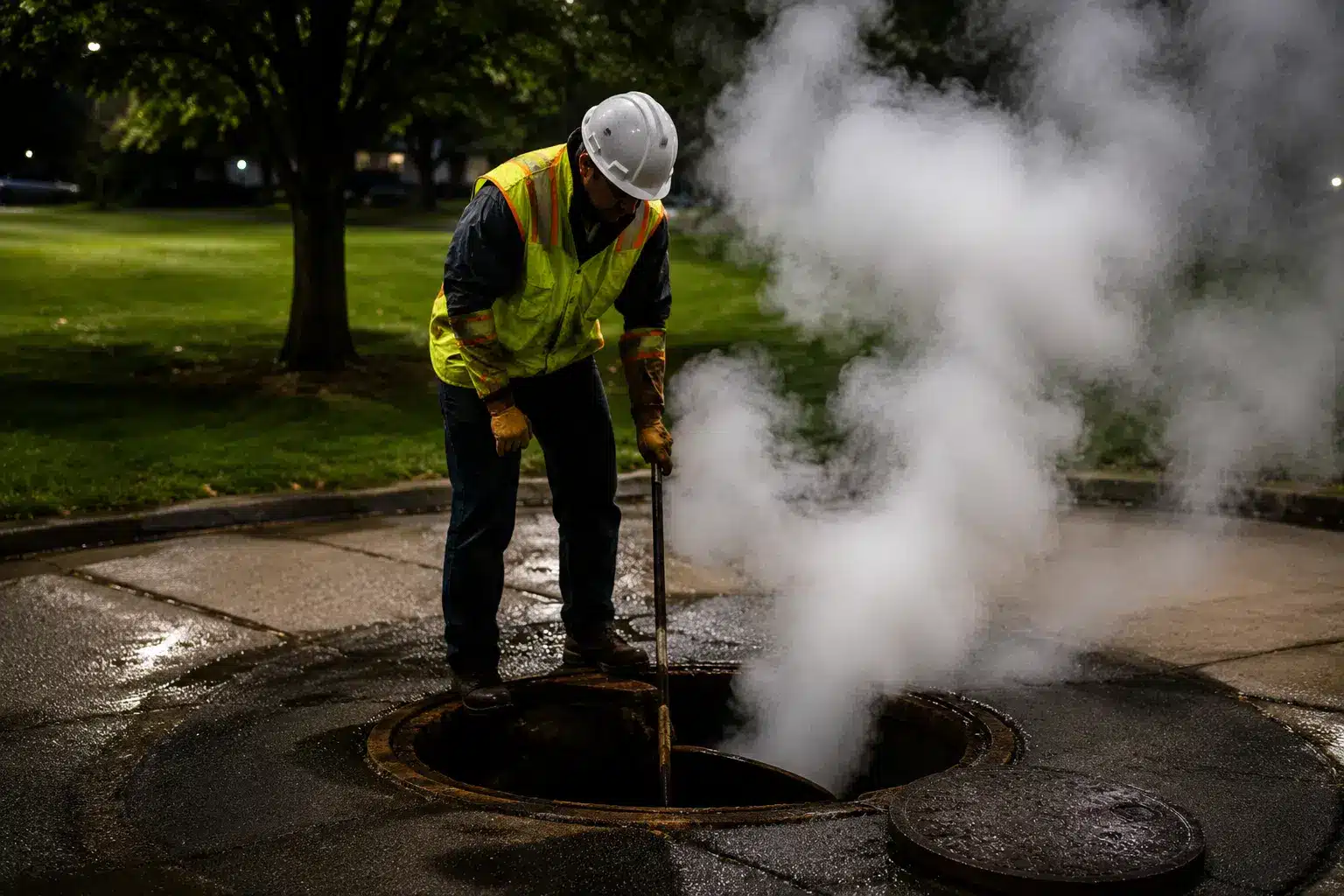
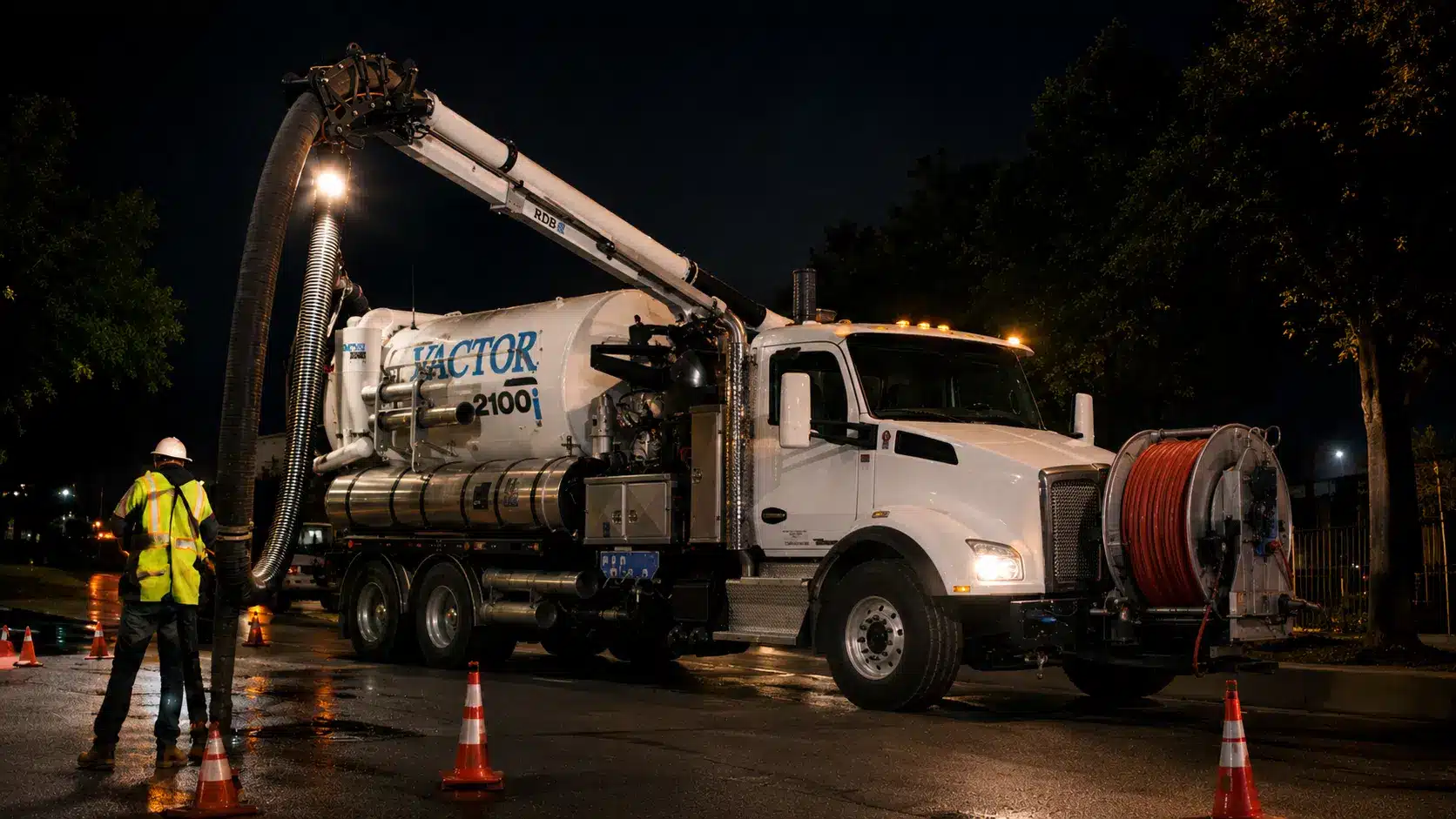
Smoke & Dye Testing
Find hidden leaks, illegal connections, and inflow sources before the next storm exposes them the hard way.


Find hidden leaks, illegal connections, and inflow sources before the next storm exposes them the hard way.
 Inflow &Illegal ConnectionComplianceServing Texas
Wastewater systems lose integrity in places nobody can see. Cracked pipes, failed connections, and illegal tie-ins allow stormwater and groundwater to enter sanitary systems that were never designed for that extra volume.
Smoke and dye testing gives operators a direct way to locate those hidden defects before they lead to flooded streets, excess treatment costs, overflow risk, or compliance problems.
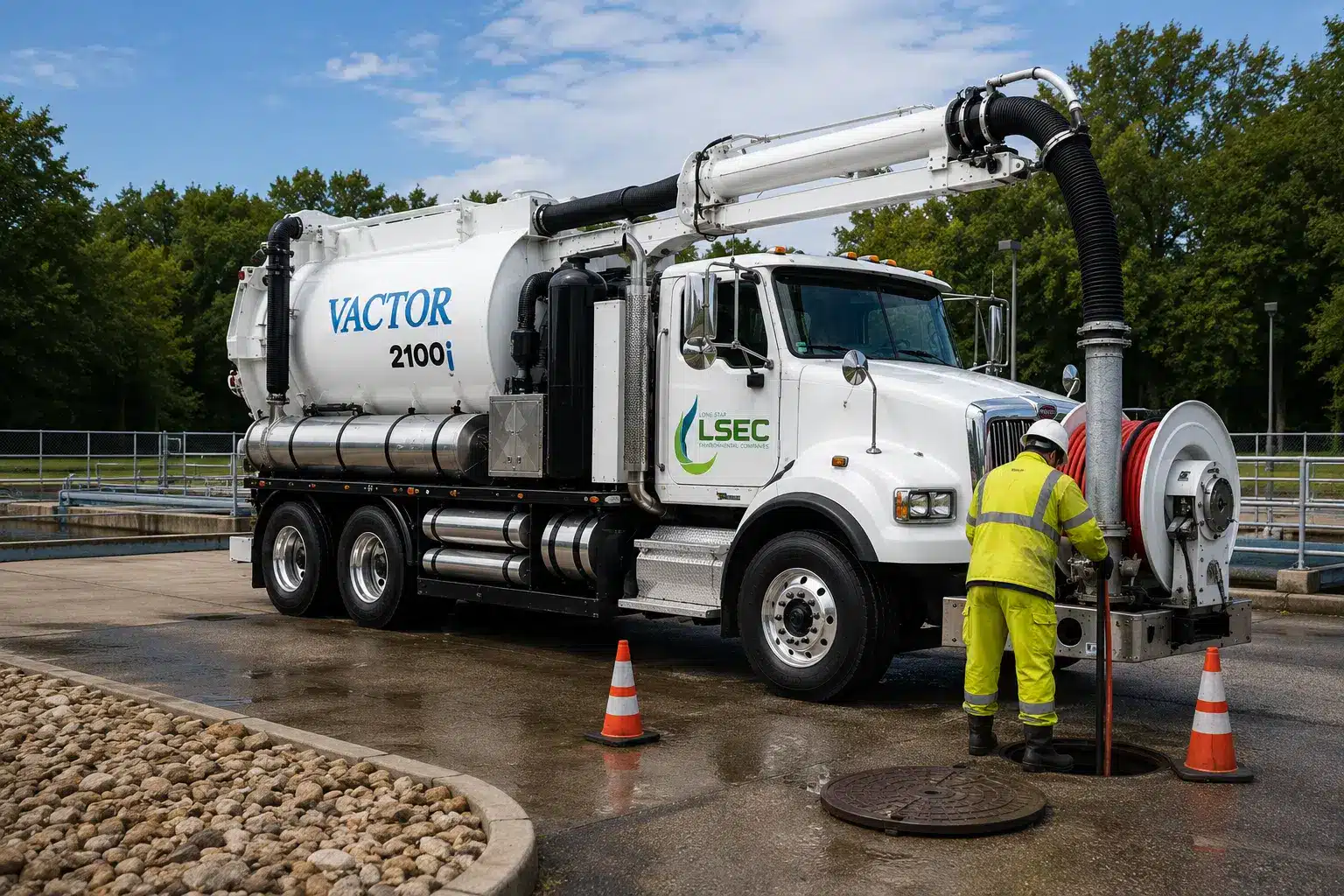
A controlled test turns a hidden defect into a visible, documented finding. No guessing. No unnecessary excavation. Just clear evidence your team can act on.

Identify where stormwater or groundwater is entering the sanitary collection system.
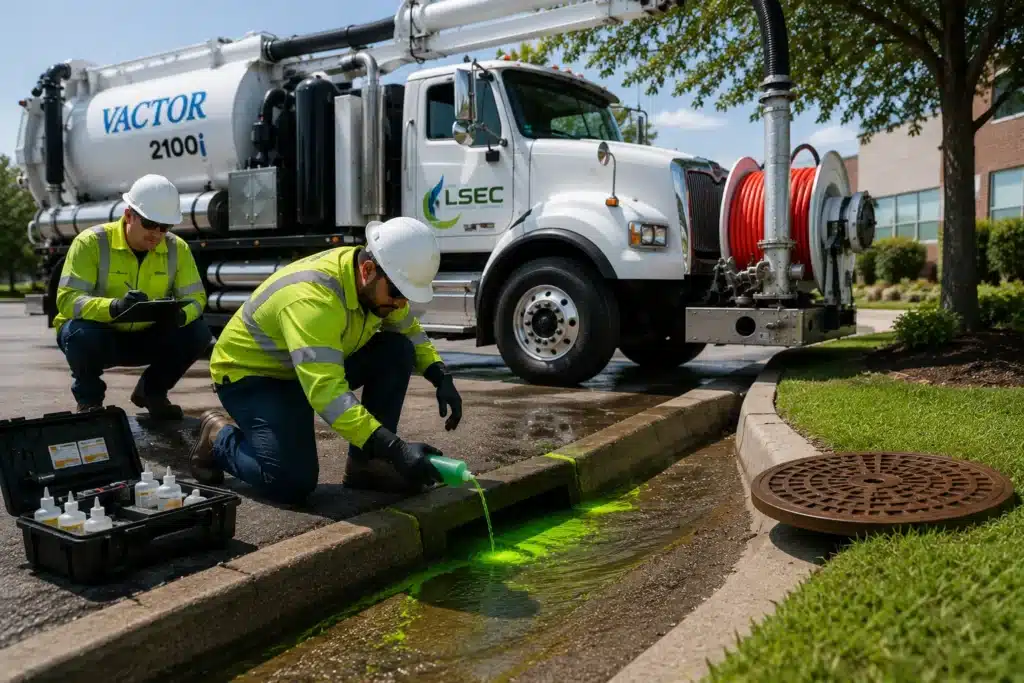
Use dye testing to verify suspected cross connections, roof drains, downspouts, or drainage paths.
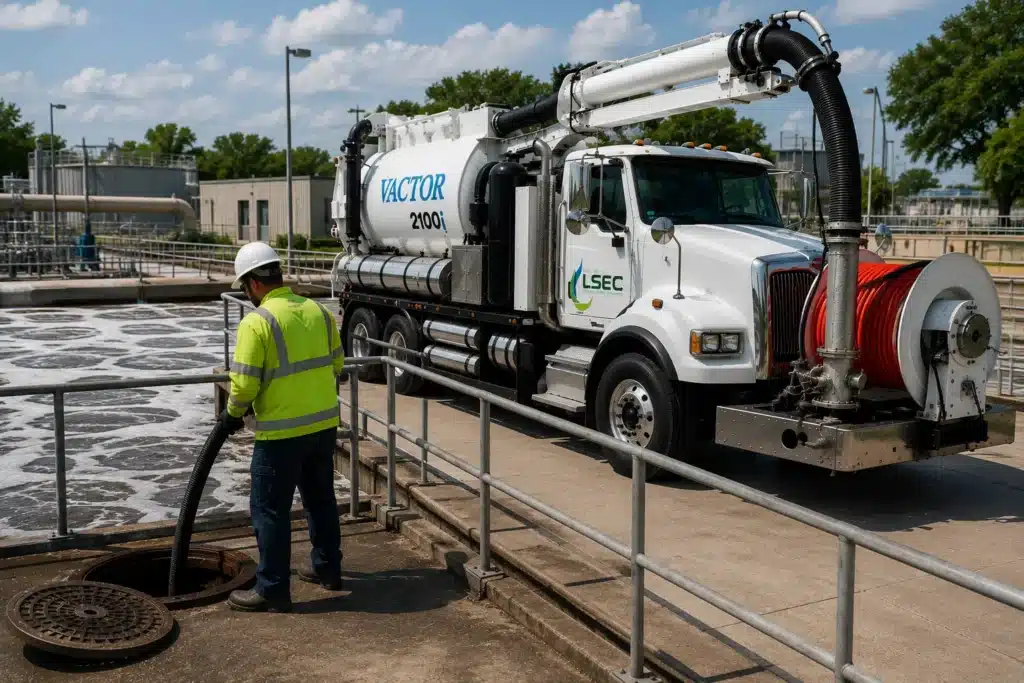
Protect plant capacity by finding unnecessary flow before peak storm conditions arrive.
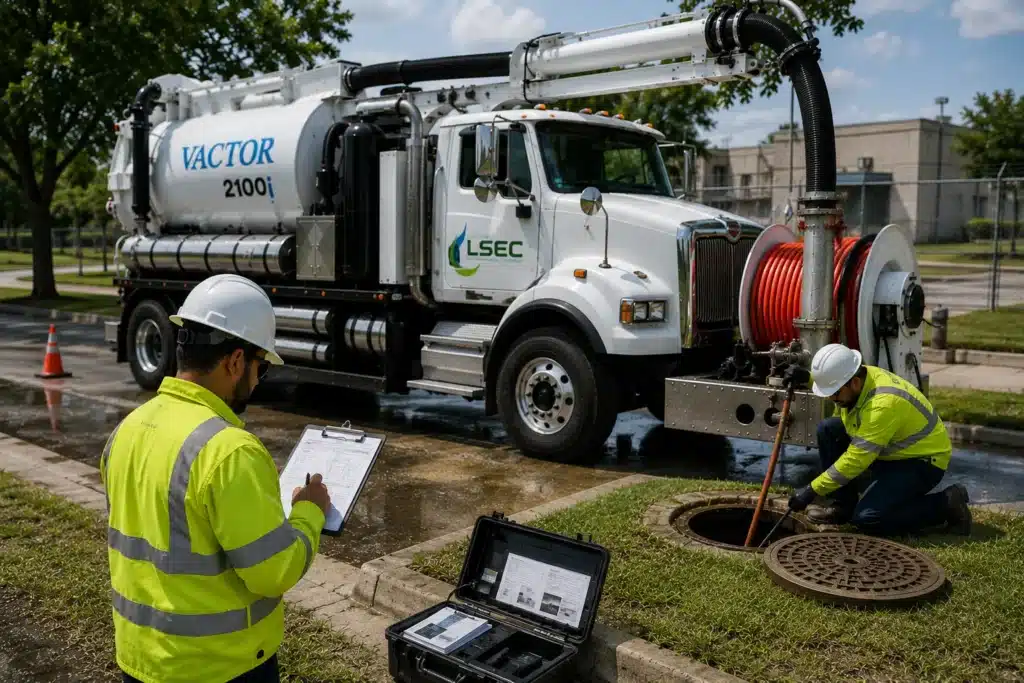
Document findings clearly for repair planning, engineering review, and compliance reporting.
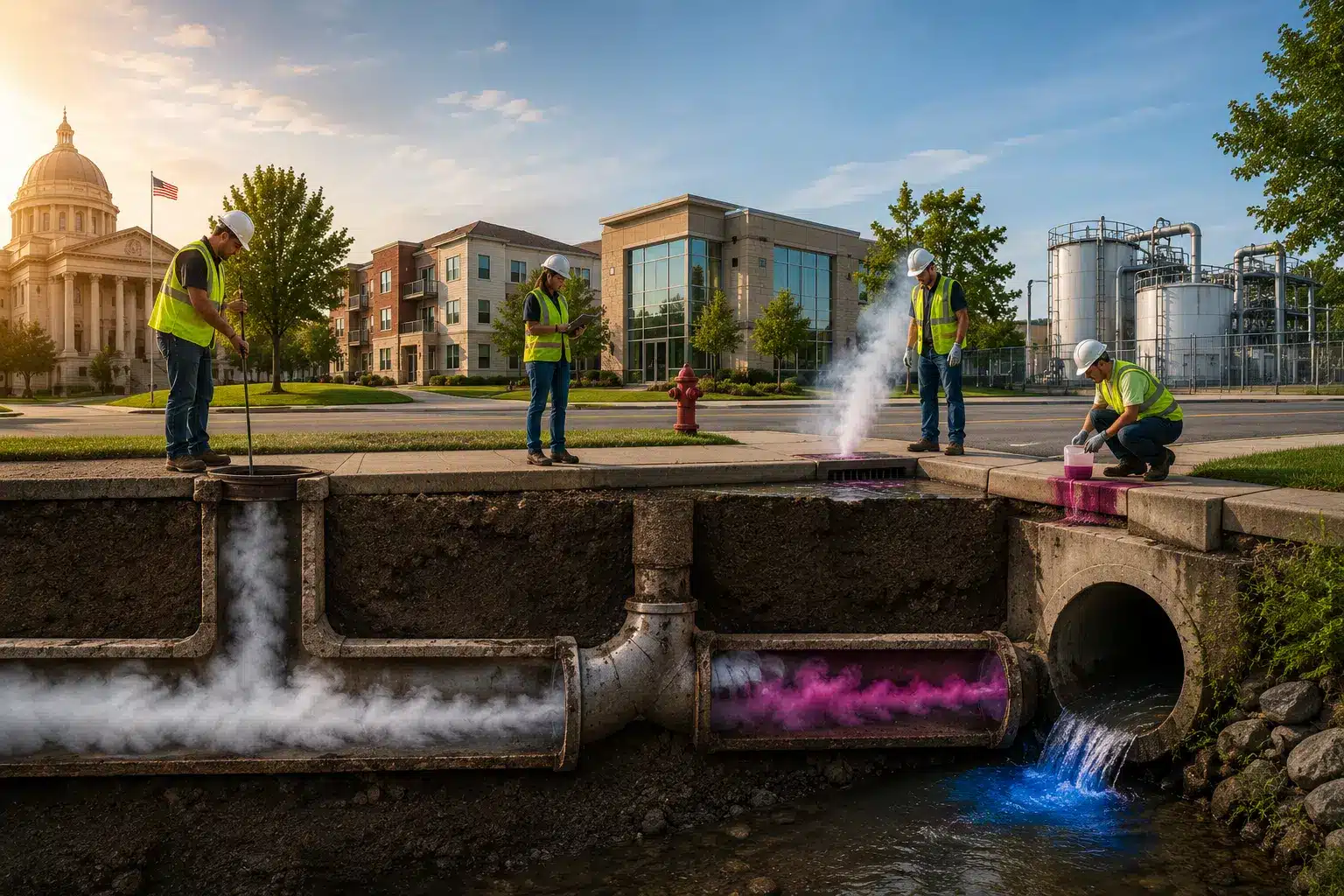
Every smoke or dye test starts with a clear scope, defined access points, and a field process built around visible confirmation. Crews document every finding with exact location details so clients have a record they can use for repair planning, capital prioritization, and compliance response.
Extra water in a sanitary system is not harmless. It consumes treatment capacity, increases operating cost, and raises the risk of overflows every time a heavy storm hits. Smoke and dye testing exposes the source so utilities can stop treating symptoms downstream and start fixing the actual problem.
Find roof drains, downspouts, and stormwater connections routed into sanitary lines.
Expose pipe failures or failed joints before minor defects become major excavation projects.
Reduce unnecessary volume competing for treatment during storm events.
Give engineers and operators documented evidence for prioritizing rehabilitation work.
Confirm problems without tearing up streets, yards, or facility surfaces.
From municipal collection systems to new construction tie-ins, LSEC helps Texas communities find hidden flow problems before storms turn them into public problems.
Smoke testing helps identify defects or improper connections that allow smoke to escape aboveground, including cracked pipes, failed joints, roof drains, downspouts, cleanout defects, and other inflow sources.
Dye testing is used when a specific connection or suspected source needs to be confirmed. Colored dye is introduced at the suspected source and monitored downstream or at a target location.
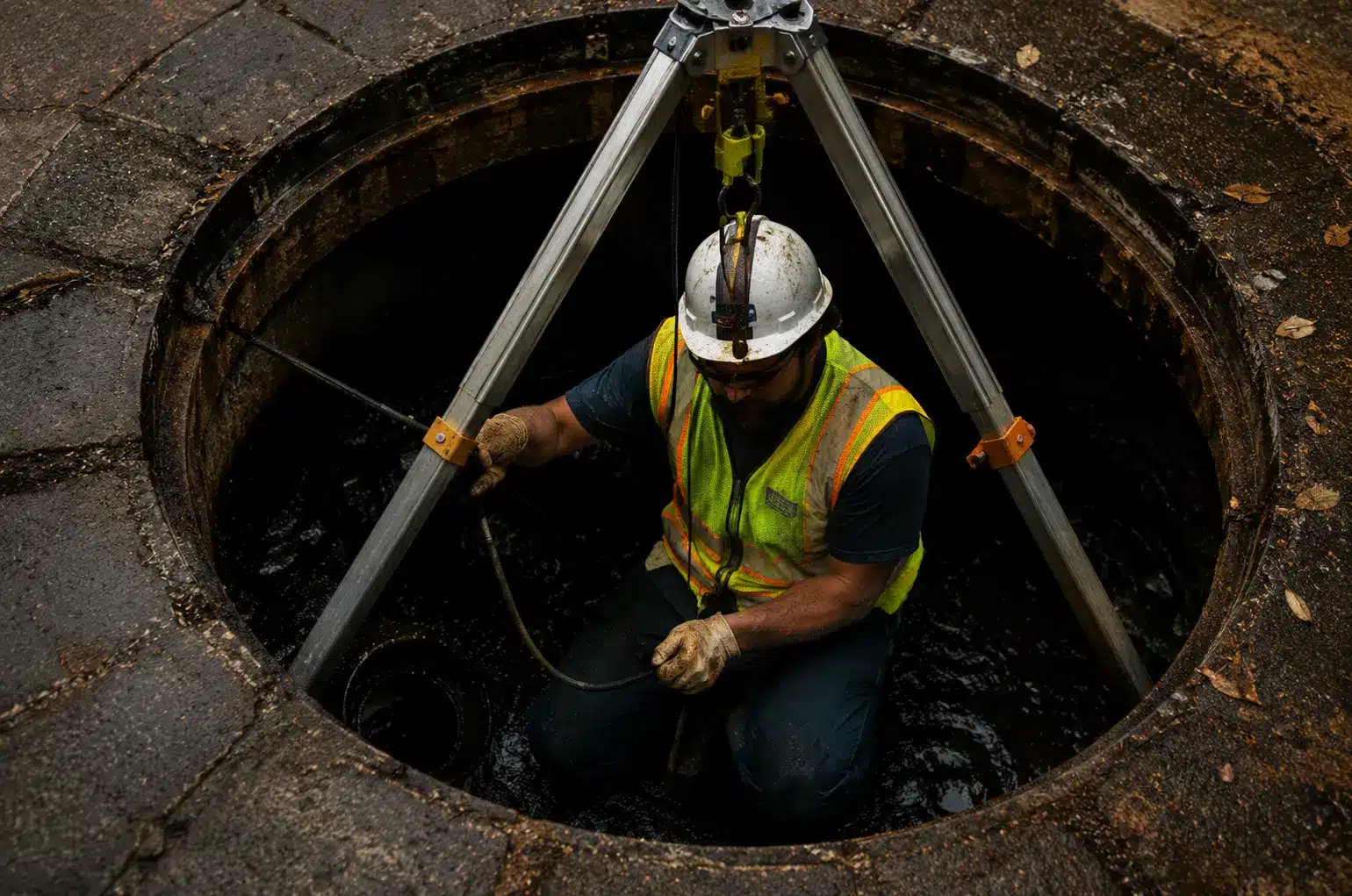
Smoke testing is non-invasive and does not require excavation. Crews work from manholes, cleanouts, and surface observations to document where smoke appears.
Inflow adds stormwater or groundwater to sanitary systems, increasing treatment costs and raising the risk of overflows during heavy rain events.
Yes. Proper documentation gives utilities, engineers, and facility owners a factual record of findings that can support repair planning and compliance response.
Reach out today and let our team trace every connection before the next heavy rain finds it first.
We are committed to protecting our people, our clients, and the communities we serve through a culture of safety, training, and accountability.
(281) 123-4567
info@lsectx.com
Houston, Texas
© 2026 Lone Star Environmental Companies