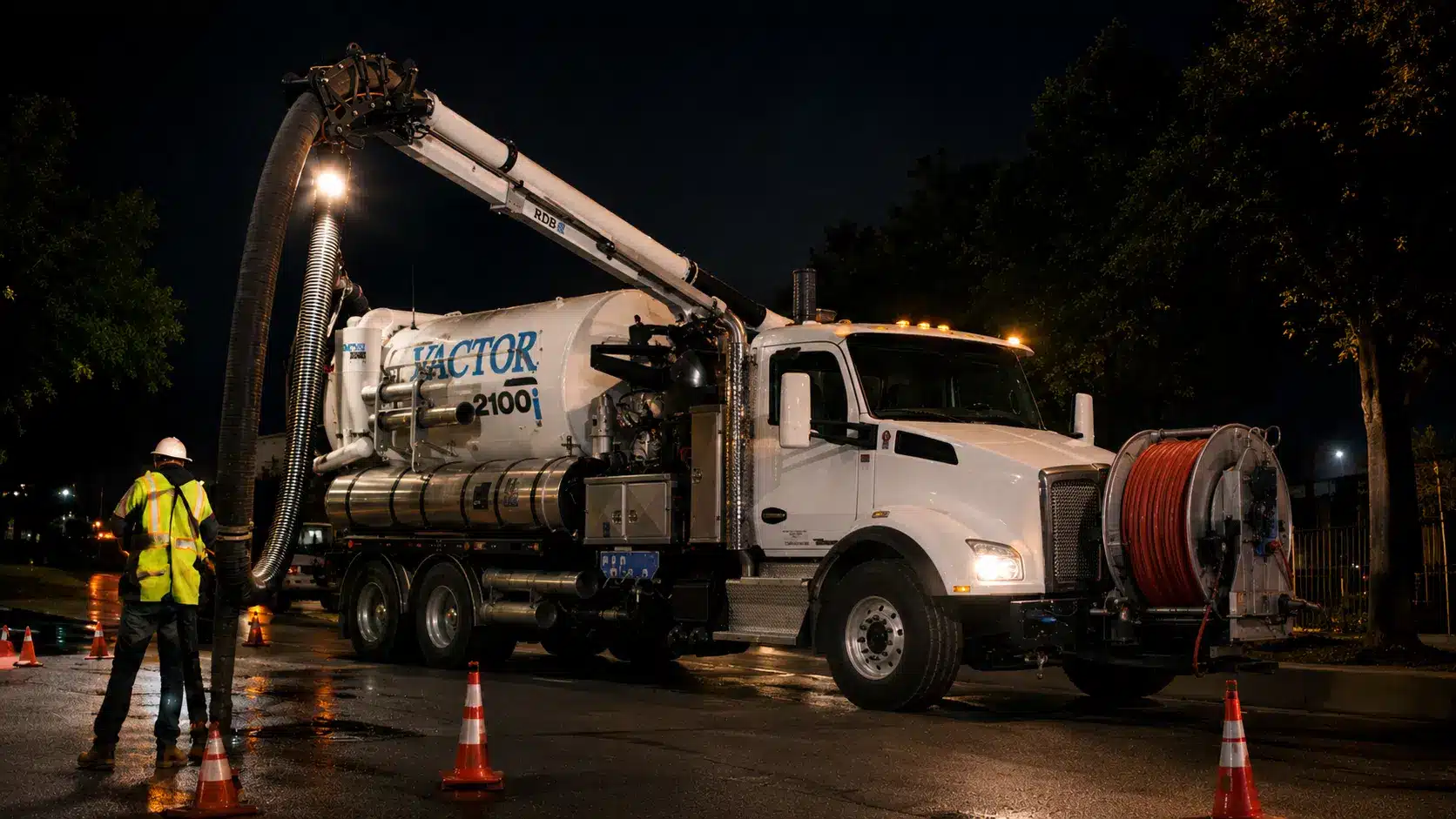
Manhole Inspection
Know what lies below the lid with documented structural inspections that help identify corrosion, infiltration, deterioration, and repair priorities before small defects become costly failures.


Know what lies below the lid with documented structural inspections that help identify corrosion, infiltration, deterioration, and repair priorities before small defects become costly failures.
 StructuralInfiltrationRepair PriorityServing Texas
A manhole sits at the surface, but the structure beneath it tells the real story of a collection system’s condition. Corrosion, infiltration, failed joints, separated connections, and structural deterioration often spread out of sight until a problem forces the issue.
LSEC provides documented manhole inspections that put trained eyes on every structure, giving operators, engineers, municipalities, and utility districts a clearer picture of what their system looks like beneath every lid.
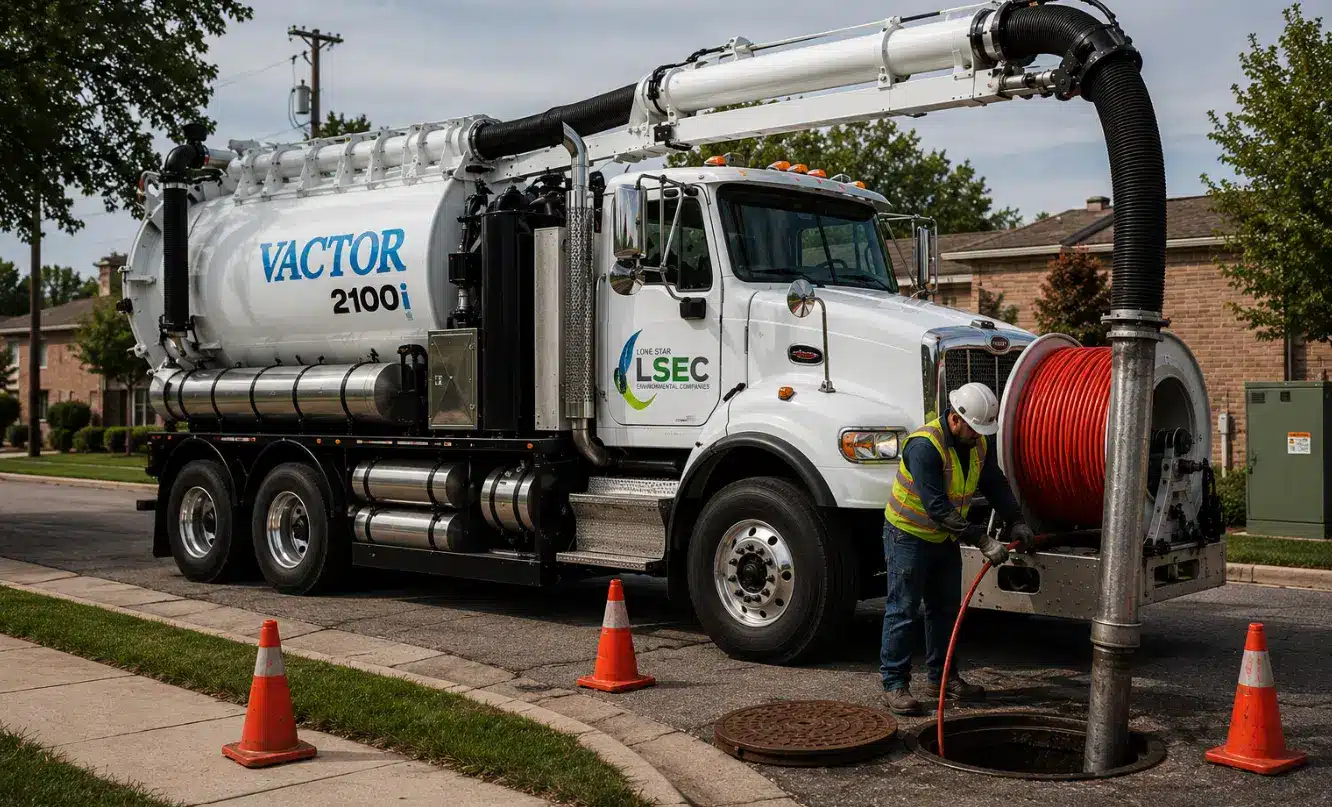
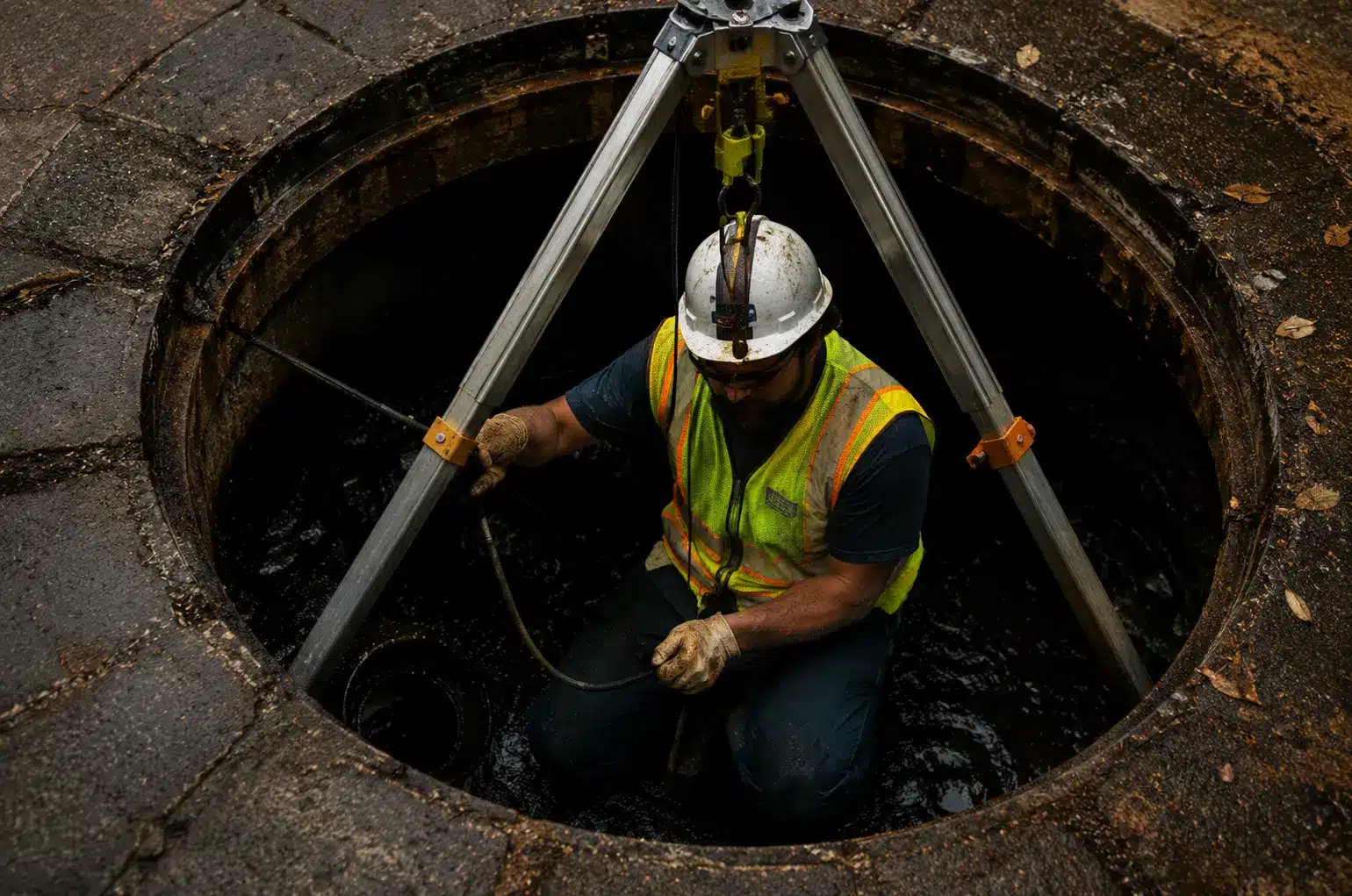
A manhole inspection is not a quick glance through an open lid. It is a structural evaluation that documents visible conditions from the frame and cover down to the pipe connections at the base.
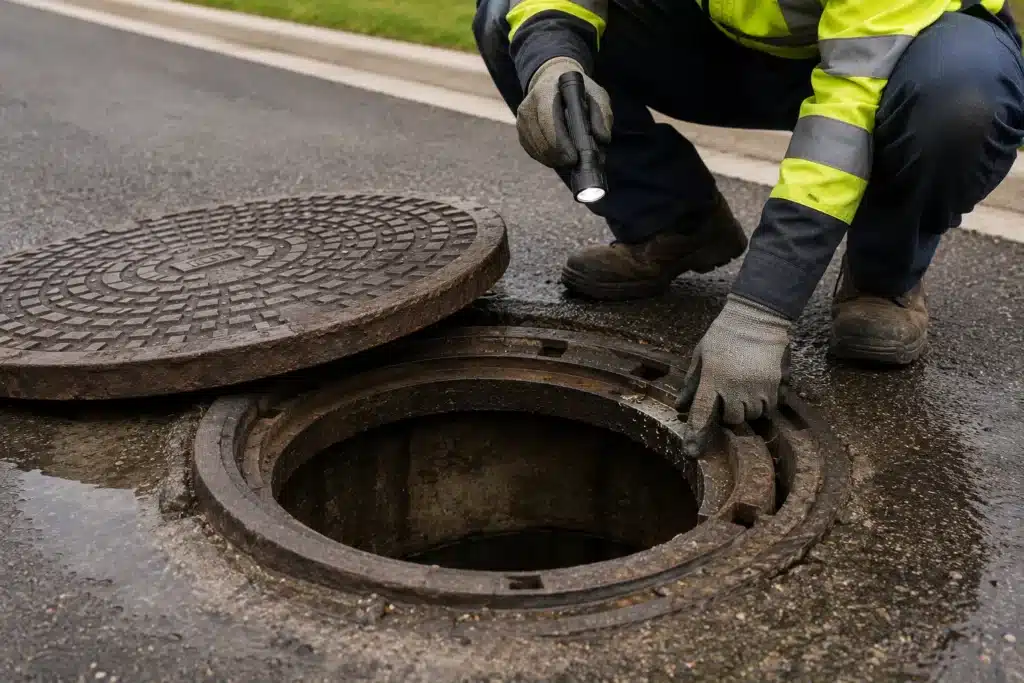
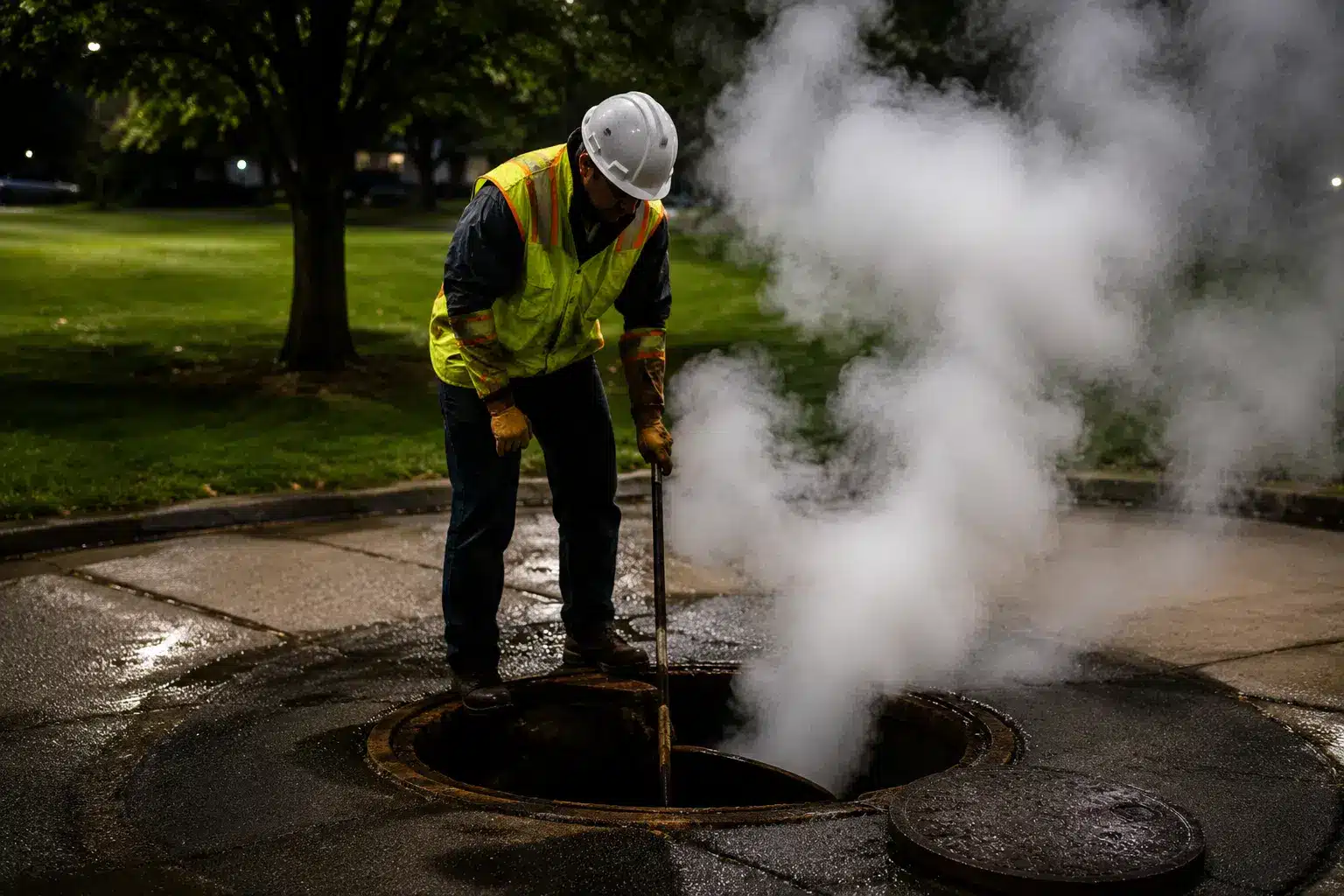
Identify poor seals, surface water entry points, loose covers, and visible signs of stress at the access point.
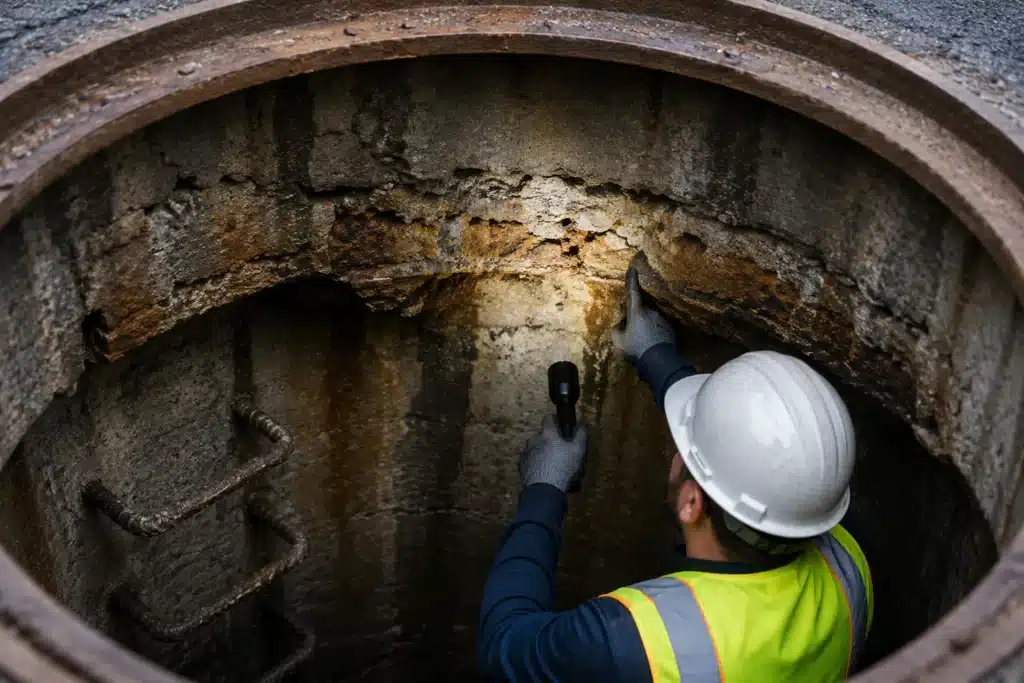
Document corrosion, cracking, spalling, and deterioration that often go unnoticed from street level.
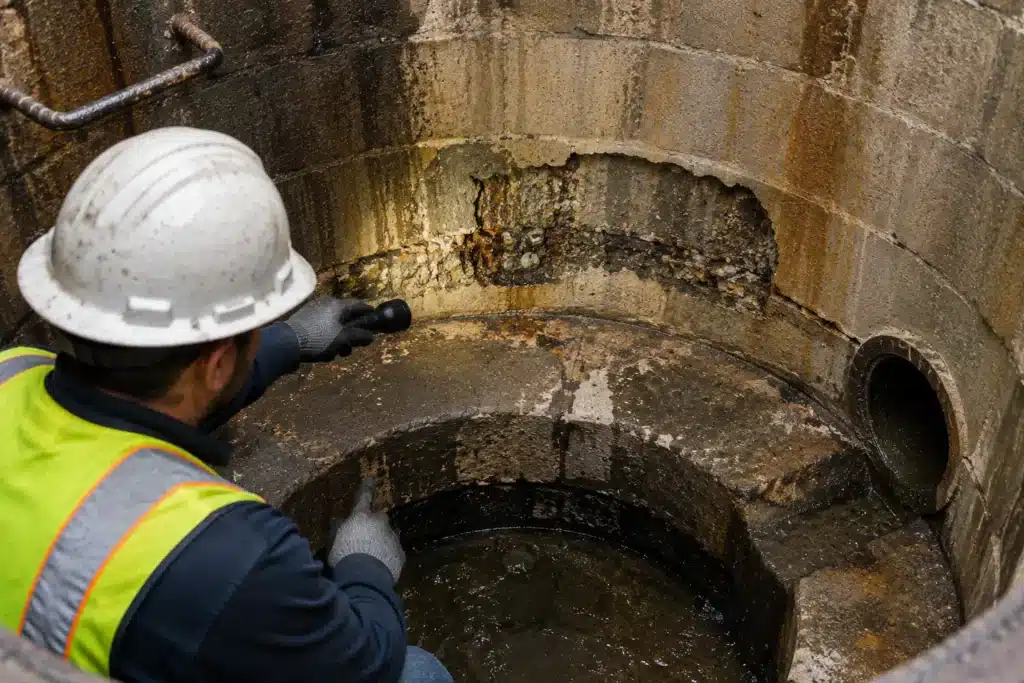
Evaluate structural condition, material loss, joint issues, and damage that may require repair or rehabilitation.
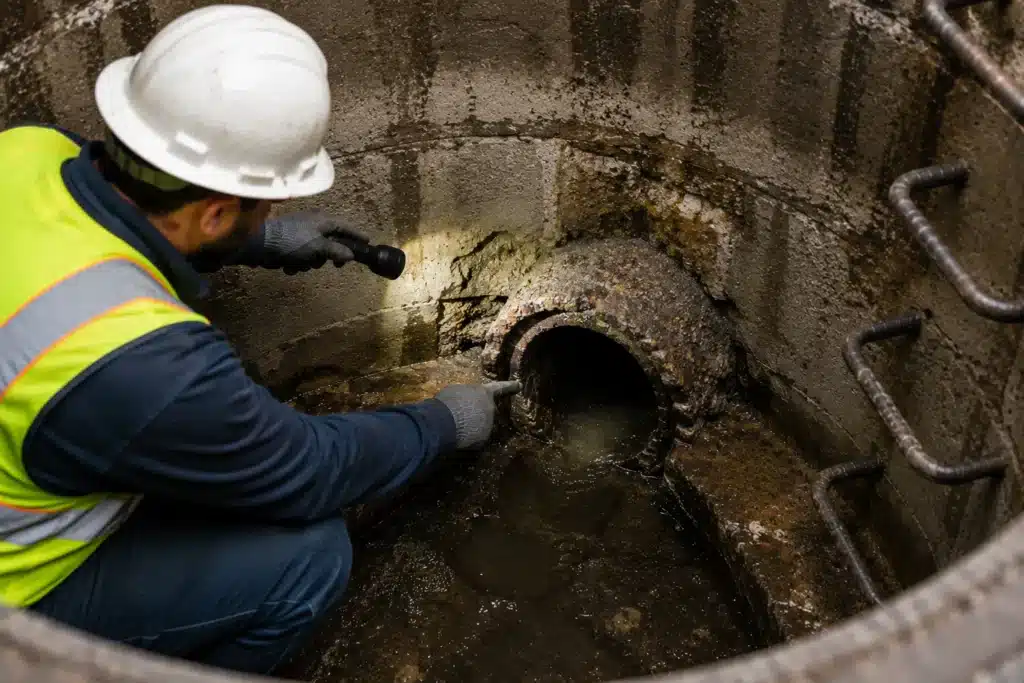
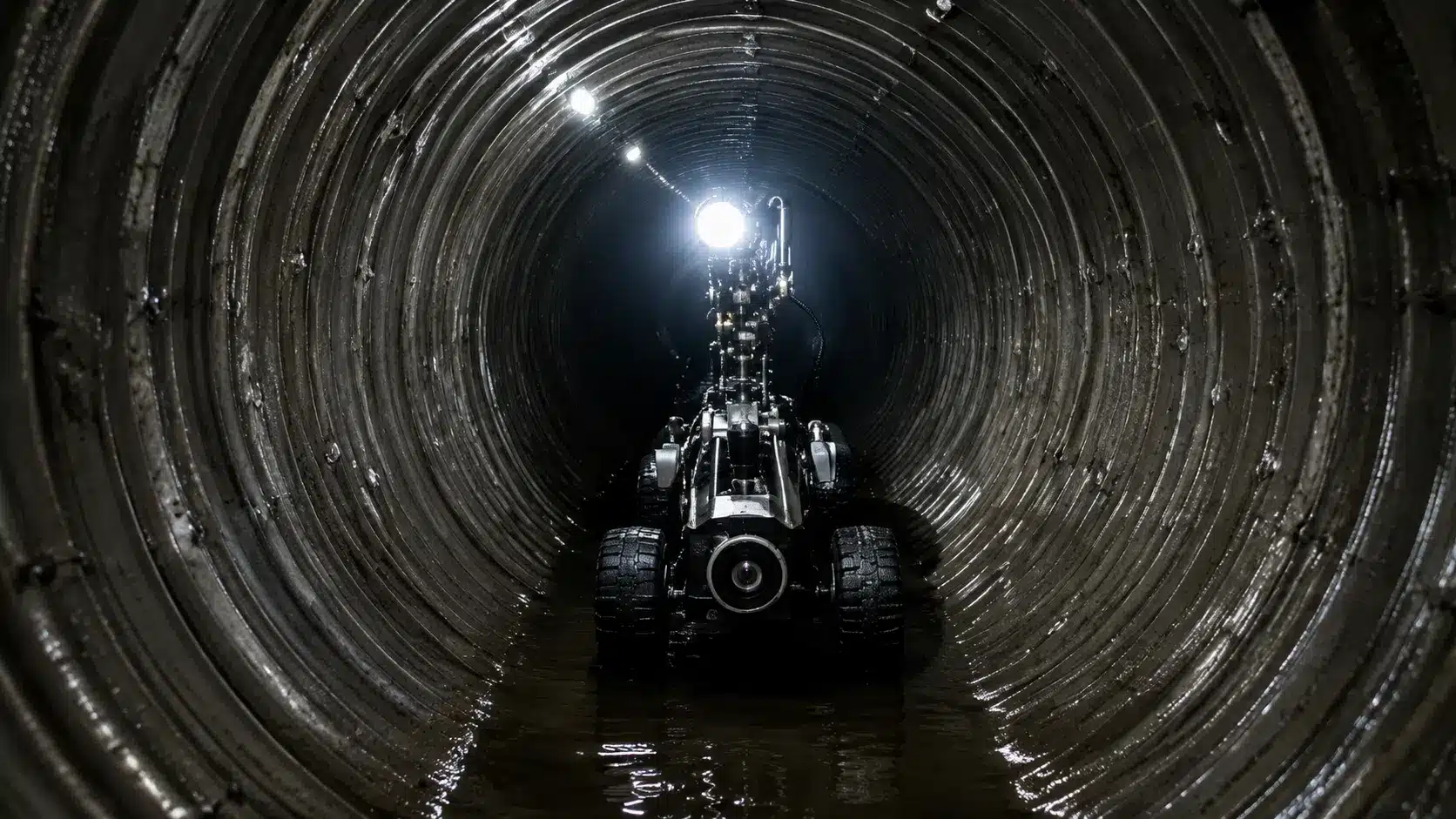
Inspect the base of the structure where separation, infiltration, blockage, and serious failures often begin.
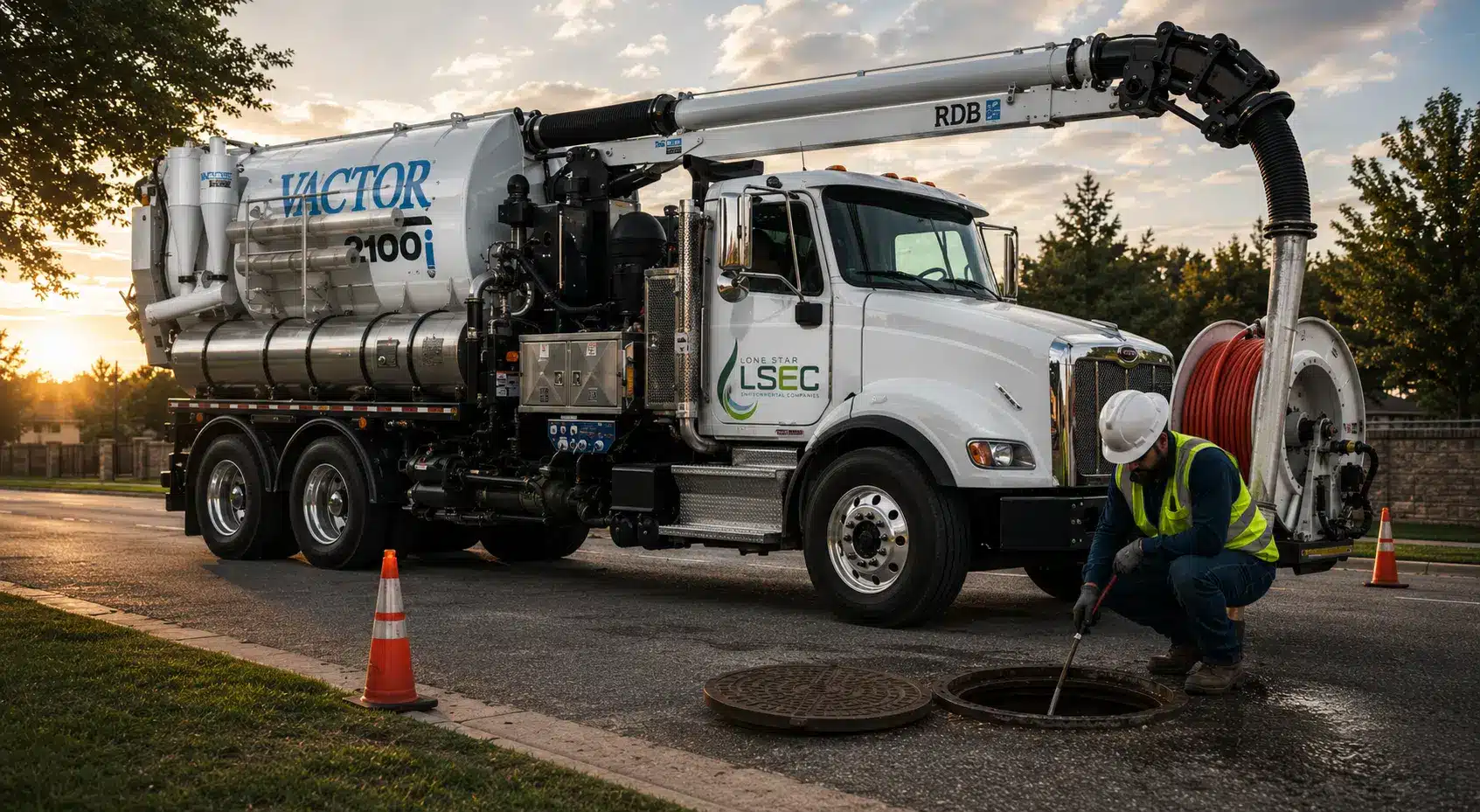
LSEC brings the same level of rigor to every structure regardless of size, age, or condition. Every visible defect is documented with its description, location, and supporting photos, creating a record engineers and operators can use immediately.
A manhole rarely fails on its own. Corrosion at the chimney or frame can point to hydrogen sulfide gas exposure. Cracking or spalling in the walls can signal structural stress. Infiltration through a failed joint adds unnecessary volume to the collection system. Left unaddressed, these issues can turn straightforward repairs into full replacement projects.
Possible gas exposure and long-term material loss.
Structural stress that can worsen over time.
Unwanted flow entering through joints or defects.
Connection failures that can drive downstream problems.
From major metros to rural communities, LSEC delivers the infrastructure inspection and maintenance services Texas depends on.
A manhole inspection typically includes review of the frame, cover, chimney, corbel, walls, bench, channel, pipe connections, joints, visible defects, infiltration points, and structural condition.
Inspections help identify corrosion, infiltration, cracking, spalling, separated connections, and other issues before they lead to collapse, emergency repair, or costly rehabilitation.
Yes. Documented inspection reports give utilities and engineers a clearer basis for prioritizing repairs, budgeting rehabilitation work, and building long-term asset management plans.
Yes. Brick and precast concrete structures age differently, and LSEC evaluates each structure based on its material, age, condition, and service environment.
Yes. LSEC can inspect a single structure flagged by a complaint or support larger inspection programs across municipal, utility district, industrial, or commercial systems.
A manhole that has never been inspected carries a condition no one can verify. LSEC gives you the documentation needed to understand, prioritize, and protect the structures below the lid.
We are committed to protecting our people, our clients, and the communities we serve through a culture of safety, training, and accountability.
(281) 123-4567
info@lsectx.com
Houston, Texas
© 2026 Lone Star Environmental Companies